
Home › Types of lymphoma › Non-Hodgkin lymphoma › Aggressive (fast-growing) B-cell NHL › Diffuse large B-cell lymphoma (DLBCL)
Block: Hub hero

Subtype hub

Diffuse large B-cell lymphoma (DLBCL)

DLBCL is the most common subtype of non-Hodgkin lymphoma. It is fast growing, sometimes called aggressive, but it usually responds well to treatment and many people may even be cured. This hub brings together what to expect at each stage, in plain language.

Block: Review detailsReviewed by: [Clinical reviewer name, role] · Last reviewed:

Block: Journey selector (6 stages, links into hub pages)

Where are you in your DLBCL journey?

Block: Section tiles (icon grid, 6)

Everything you need to know about DLBCL

Six sections, in the order most people need them. Read them in sequence, or jump to the one you need.

Block: Callout pair (reusable)

Questions to ask your doctor

Starting treatment can feel overwhelming, and knowing what to ask is hard. These are a start.

  • What subtype and stage of DLBCL do I have?
  • What is the aim of this treatment, and what happens if it doesn't work?
  • Am I eligible for a clinical trial?
  • Who do I call if I feel unwell between appointments?
Questions to ask your doctor

There are different types of large B-cell lymphoma

DLBCL includes several subtypes. Your pathology results will identify the exact type you have, and most are treated the same way.

  • DLBCL not otherwise specified (NOS)
  • Primary mediastinal B-cell lymphoma (PMBCL)
  • Primary central nervous system lymphoma (PCNSL)
  • Double hit and triple hit lymphoma
See all DLBCL subtypes
Block: Support CTA (support line + secondary link)

You are not alone

Whether you have been recently diagnosed, having treatment, or are living with lymphoma, you can count on us to support you and your family.

Block: Three-column feeds (resources, support links, stories)

Patient stories All stories

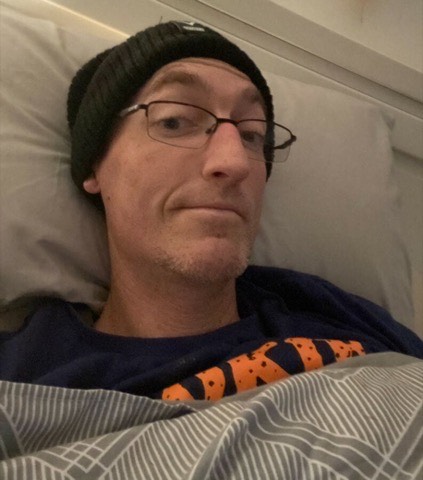
Ty

Ty's Story: DLBCL

I was diagnosed with Diffuse Large B cell Lymphoma in early March of 2023. Three weeks before the diagnosis, I had a hospital procedure for thoracic outlet syndrome, which had caused blood clots in my right arm, resulting in a rib resection operation.

Read more

Block: Closing CTA (boxed)

Better information. Better support. A brighter tomorrow.

Your generous donation today will make a profound impact on lymphoma patients, their families, and healthcare professionals.

Support our work